
How Multiple EMI Purchases Affect Monthly Cash Flow
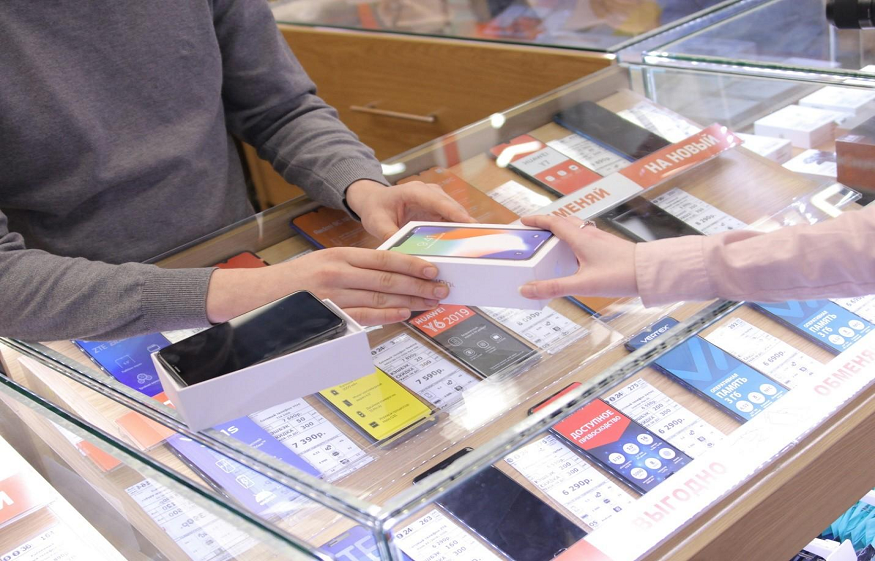
In today’s fast-paced world, the ability to buy now and pay later has transformed how we manage our personal finances. It is easier than ever to walk into a store and walk out with the latest technology without paying the full price upfront.
The convenience of equated monthly installments, or EMIs, allows us to spread the cost of expensive items over several months or even years. This financial tool has made high-end products accessible to a much broader audience. However, while a single payment plan might seem manageable, the cumulative effect of several simultaneous plans can significantly alter your financial health.
Understanding how these recurring payments interact with your monthly budget is essential for maintaining long-term stability. When you balance multiple commitments, your liquid cash begins to shrink, often in ways that are hard to notice until the end of the month arrives. This article explores the various ways that stacking these payments affects your lifestyle and your wallet.
The Psychology of Small Monthly Payments
When you browse for a new mobile on EMI, the price tag you see is often not the total cost of the device. Instead, your eyes are drawn to a much smaller number. This is the monthly installment. Psychologically, it is much easier to justify a small monthly expense than a large one-time payment. This phenomenon is known as mental accounting. We tend to categorize these small amounts as minor bills, similar to a streaming subscription or a utility payment.
This shift in perception can lead to a habit of stacking multiple purchases. If you see that you have a few thousand units of currency left over at the end of the month, you might feel tempted to pick up more electronics on EMI. The danger lies in the fact that each individual payment feels insignificant. It is only when you add them all together that you realize a large portion of your salary is already spent before it even hits your bank account. This can create a false sense of wealth, leading to overconsumption and a lack of savings.
How Multiple EMIs Impact Your Disposable Income
Disposable income is the money you have left after paying for all your essential needs like rent, food, and insurance. This is the money you use for entertainment, travel, or emergency savings. When you take on multiple payment plans, you are essentially committing your future disposable income to past purchases. This reduces your flexibility.
Imagine you have three different installments running at once. One might be for a laptop, another for a kitchen appliance, and a third for a mobile on EMI. Individually, they might take up ten percent of your income. Together, they consume thirty percent. This leaves you with very little room to breathe if your basic living costs rise. If the price of fuel or groceries goes up, you cannot simply stop paying your installments. You are locked into those costs, which forces you to cut back on other areas of your life that might be more important for your well-being.
The Hidden Costs of Constant Installments
Many people believe that interest-free offers mean the product costs the same as a cash purchase. While this is sometimes true, there are often hidden costs associated with these financial products. Processing fees are a common addition that can add a surprising amount to the total cost. These fees are usually charged upfront or added to the first installment, which can cause a sudden dip in your cash flow for that specific month.
Furthermore, if you are paying for various electronics on EMI, you must be extremely diligent about your payment dates. Missing a single payment can lead to heavy late fees and high interest penalties. These extra charges do not just hurt your wallet in the short term. They also disrupt your monthly planning. A small mistake in timing can turn a budget-friendly purchase into a financial burden. When you have five or six different dates to remember, the risk of missing one increases significantly.
Managing Your Debt-to-Income Ratio
Lenders and financial institutions look at your debt-to-income ratio to determine your financial health. This ratio is the percentage of your gross monthly income that goes toward paying debts. If you have too many active installments, this ratio climbs higher. Even if you are making all your payments on time, a high ratio can be a red flag.
A high debt-to-income ratio makes it difficult to get approved for important loans in the future, such as a home loan or a car loan. Banks may view you as a high-risk borrower because so much of your income is already promised to other creditors. By filling your budget with various electronics on EMI, you might be unintentionally blocking your path to larger, more significant life goals. It is always wise to keep your total monthly debt payments below thirty or forty percent of your take-home pay to ensure you remain attractive to lenders.
The Lifecycle of Electronics Versus Loan Tenure
One unique challenge with buying electronics on EMI is the speed at which technology evolves. The lifecycle of a gadget is often shorter than the time it takes to pay it off. For example, if you buy a high-end mobile on EMI with a twenty-four-month plan, there is a good chance a newer, better model will be released before you have finished paying for the current one.
This creates a cycle of perpetual debt. You might feel the urge to upgrade while you are still paying for your old device. If you give in to this urge, you end up with overlapping payments for two different generations of the same product. This is a quick way to drain your monthly cash flow. To avoid this, it is helpful to match the length of your payment plan to the expected utility of the product. If you plan to keep a device for three years, a one-year plan is sensible. If you plan to upgrade every year, taking a two-year loan is a recipe for financial stress.
Planning for a Balanced Financial Future
Ultimately, the goal of using EMIs should be to enhance your life without compromising your future. These plans are excellent tools for acquiring necessary tools for work or education, such as a laptop or a reliable phone. However, they should not be used as a way to live beyond your means.
By being mindful of how many electronics on EMI you currently own, you can make better decisions about your next purchase. Take a moment every few months to add up all your recurring payments. If the total makes you feel uneasy, it is a sign to slow down. Balancing the desire for new technology with the need for financial liquidity is the key to a stress-free life. When you control your cash flow, rather than letting your installments control you, you gain the freedom to enjoy your purchases truly.